Baba Marta Day - Bulgaria
Every year on the first day of March, people across Bulgaria celebrate Baba Marta Day, marking the shift from winter to spring. The celebration originates from the “Grandma Marta” legend about an erratic woman. Although the holiday also signifies the arrival of spring and the burst of color from nature.
People create martenitsas, red and white bracelets or dolls made from yarn, and share them with family and friends. Martenitsas represent health and happiness. When a sign of the beginning of spring is spotted, martenitsas are hung on tree branches, welcoming the upcoming season
Songkran Water Festival - Thailand
Songkran refers to the annual astrological movement of the sun into the Aries constellation, marking the traditional start of the new year. In Thailand, Songkran is a time to reunite with family, honor your elders, ancestors, and sacred Buddha images. It’s also a time to symbolically wash away misfortunes and pray for prosperity in the upcoming year.
Water plays a large role in the festival. Pouring water during Songkran represents cleansing, reverence, and good fortune. People bathe important Buddha images, and splash family and friends. The festival also includes folk plays, music, games, and a feast.
Canadian Tulip Festival - Canada
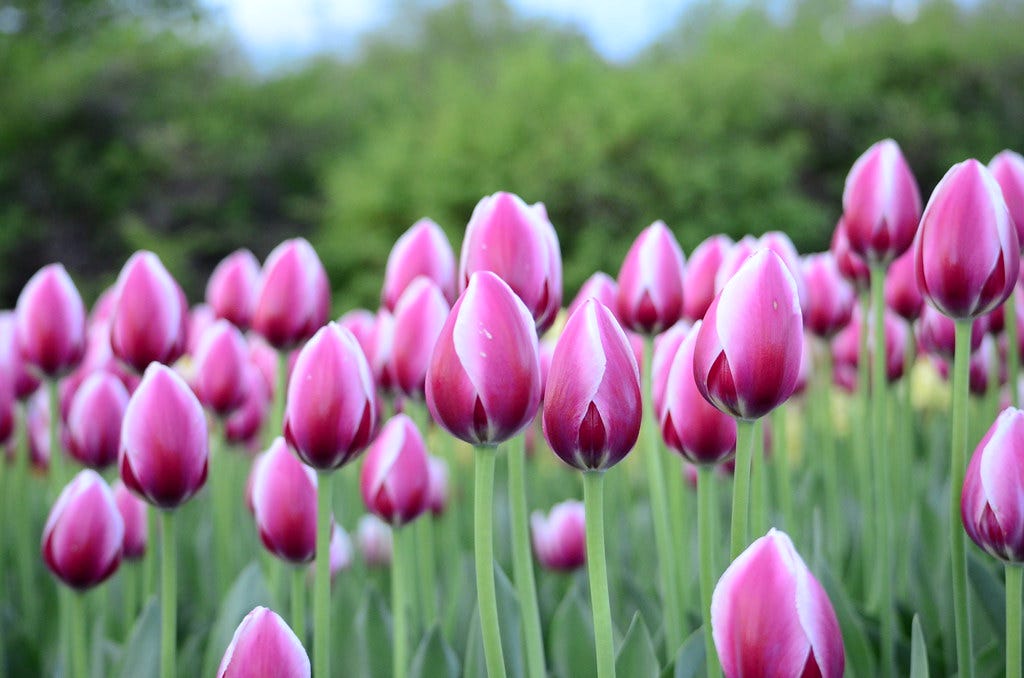
Celebrated eleven days in May, Canada hosts the largest tulip festival in the world. The festival honors the flower’s beauty and its long-standing history with the country’s capital, Ottawa. 300,000 tulips are planted in Commissioners Park, traveling along Dow Lake.
The festival originated from a gift from the royal family of the Netherlands, who sought refuge in Canada during World War II. Canadian troops played a crucial role in the liberation of the Netherlands. Since 1945, every year the Dutch government has sent tulip bulbs as thanks.